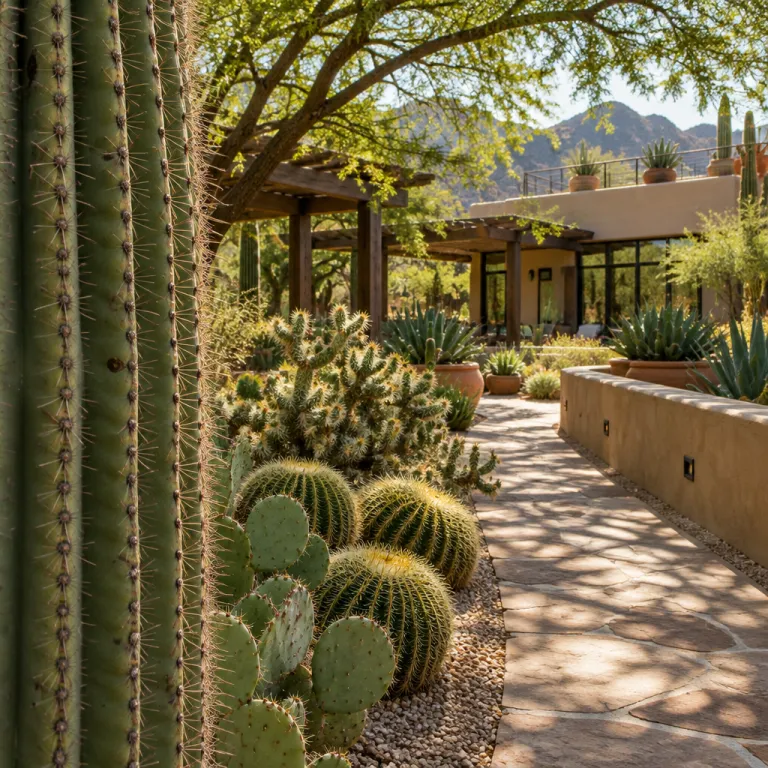
Reading the desert from your hotel window: understanding the main types of cactus in Arizona
From a well chosen hotel in Scottsdale, you can read the landscape through the many types of cactus in Arizona. The city sits in the heart of the Sonoran Desert, where iconic cacti species frame every terrace, pool deck, and fairway in the desert southwest. Choosing a room with desert views lets you watch how each cactus, from tall silhouettes to small clusters, responds to full sun and cool nights.
The classic image is the towering Carnegiea gigantea, the saguaro cactus, often rising several metres beside resort paths and golf greens. Around Scottsdale, mature saguaro cacti can reach 12 to 15 metres in height, or more than 40 feet tall, with arms that host nesting birds and spring blooms of white flowers that later become red fruit (U.S. National Park Service). When you book a hotel facing natural desert, you often see saguaros sharing space with barrel cactus (Ferocactus), hedgehog cactus (Echinocereus), and prickly pear cactus (Opuntia), creating a living field guide right outside your balcony.
Look more closely at the ground level and you will notice how varied these cactus species really are. Low growing pincushion cactus and beehive cactus, often in the genera Mammillaria and Escobaria, form small rounded mounds, while fishhook cactus (Mammillaria and related species) and nipple cactus tuck into rocky pockets that many guests miss on a quick walk. Hotels that preserve native landscaping rather than lawns give you a better chance to see these subtle cacti, especially in spring when pink and yellow flowers appear after winter rains, as documented by the Arizona Sonora Desert Museum.

Trails near Scottsdale hotels where cactus and cacti blooms shape every hike
When you choose a Scottsdale hotel for hiking access, you are really choosing daily immersion in the most diverse types of cactus in Arizona. Properties near McDowell Sonoran Preserve or Camelback Mountain place you minutes from trailheads where cholla, barrel, and pear cactus line the paths. Before you reserve, study maps and look for hotels that highlight direct access to the Sonoran Desert rather than only urban amenities.
On these trails, you will walk past dense stands of Cylindropuntia cholla, the segmented cholla species whose joints catch low light at sunrise. Some hikers call them foxtail cactus when the spines glow pale yellow, while others focus on avoiding the prickly segments that detach easily from the main cactus. Good hotels provide trail briefings or partner with guides who explain how to move safely among these cacti, especially when you stop to photograph orange flowers or delicate pink blooms.
Spring and early summer are prime seasons to see prickly pear Opuntia and other pear cactus in full color near Scottsdale. Flat pads of prickly pear carry both spines and clusters of flowers, which can shift from yellow to orange flowers or deep pink depending on the species and soil (Arizona Sonora Desert Museum). If you plan your stay around hiking, use a resource on how to choose a hotel for desert hiking adventures so that early trail starts and shaded afternoon pools fit naturally into your cactus focused itinerary.

Jeep tours, cactus close ups, and choosing a hotel that supports real desert adventure
Many visitors first meet the more remote types of cactus in Arizona on guided Jeep tours that depart directly from Scottsdale hotels. These excursions travel deeper into the Sonoran Desert, where organ pipe cactus (Stenocereus thurberi), pipe cactus relatives, and rare Escobaria species grow in rocky washes (National Park Service). When you book, ask whether your hotel partners with outfitters who train drivers to interpret cactus species rather than only offering fast rides over rough tracks.
On a well guided tour, you may stand beside a barrel cactus that reaches several feet tall and learn how its ribs expand after rare desert rains. Nearby, hedgehog cactus (Echinocereus) clusters form low spiny mounds that explode with magenta or pink flowers, while beehive cactus and pincushion cactus in the Mammillaria and Escobaria groups hide between stones with surprisingly large blooms. Guides often point out fishhook cactus, whose curved spines once served as improvised needles, and nipple cactus, whose small tubercles help the plant manage scarce water in full sun.
If you want Jeep access without long transfers, focus on hotels that market themselves specifically for Sonoran Desert excursions. A dedicated guide to choosing a Scottsdale hotel for Jeep tours can help you match departure times, group sizes, and terrain to your comfort level. Staying close to departure points means more time among cacti and less time in transit, which matters when you hope to photograph rare orange flowers or subtle yellow blooms at golden hour.

Golf course and resort landscapes as living galleries of Arizona cactus species
Scottsdale’s golf resorts function as curated galleries for many types of cactus in Arizona, especially for guests who prefer manicured paths to rugged trails. Fairways often weave through preserved desert corridors where cholla, barrel cactus, and pear cactus stand between boulders and native grasses. When you select a golf focused hotel, ask how much original Sonoran Desert vegetation remains on the course rather than only judging by the number of holes.
On desert style courses, you might tee off beside a towering saguaro cactus and then walk past clusters of foxtail cactus and Cylindropuntia cholla near the rough. Designers frequently frame greens with barrel cactus that reach one to two feet tall, using their rounded forms as both hazards and visual anchors. In early season, these barrels produce rings of yellow or orange flowers at the crown, while nearby prickly pear pads carry pink blooms that contrast with the deep green turf.
Resort paths between rooms, pools, and restaurants often double as informal cactus trails for guests who prefer gentle walks. You may see small Escobaria and beehive cactus near steps, hedgehog cactus along rock walls, and fishhook cactus in raised planters that protect them from foot traffic. To align your stay with both golf and cactus viewing, consult a guide on pairing Scottsdale public golf courses with the right hotel, then prioritize properties that highlight native cacti in their landscape descriptions.

From Mexico to California and across the United States: how Scottsdale hotels frame the wider cactus story
The cactus communities around Scottsdale connect directly to a broader desert corridor that stretches into Mexico and west toward California. Many of the most recognizable types of cactus in Arizona, including saguaro, organ pipe, and several cholla species, have ranges that cross the border into the Mexican Sonoran Desert (Arizona Sonora Desert Museum). When hotels feature interpretive signage or host talks by local naturalists, they help guests understand how these cacti fit into ecosystems that extend far beyond one city in the United States.
Organ pipe cactus, sometimes called pipe cactus, is more common closer to Mexico but still appears in curated gardens and educational displays around Scottsdale. Tall multi stemmed clumps can reach several metres, or many feet tall, creating dramatic silhouettes that differ from the single trunk form of a typical saguaro cactus. Some hotels collaborate with regional parks and conservation groups to showcase organ pipe and related cactus species in demonstration gardens, allowing guests to compare them directly with local barrel cactus, hedgehog cactus, and pear Opuntia varieties.
Interpretive programs often highlight how Indigenous communities across the desert southwest have long used prickly pear fruit, saguaro seeds, and other cactus parts for food and ceremony. Guests may taste prickly pear syrups or see menus that reference Mexico inspired recipes built around cactus pads, while learning how careful harvesting protects the plants. When you evaluate hotels, look for those that treat cacti as part of a living cultural story rather than only as decorative plants, because this usually signals deeper respect for the surrounding Sonoran Desert.

Practical tips for choosing a Scottsdale hotel that matches your cactus focused stay
Aligning your accommodation with the types of cactus in Arizona you most want to see starts with reading hotel descriptions carefully. Properties that emphasize native landscaping, direct access to the Sonoran Desert, and guided walks usually provide richer encounters with cacti than those that highlight only pools and nightlife. When possible, study aerial photos to confirm that natural desert, not only lawns, surrounds the buildings.
If you are fascinated by tall silhouettes, choose hotels near open desert preserves where saguaro cactus and organ pipe relatives dominate the skyline. Guests more interested in small details should prioritize properties with on site nature trails, where pincushion cactus, beehive cactus, nipple cactus, and Escobaria species grow close to the path. Ask whether staff can point out hedgehog cactus clusters, foxtail cactus stands, and Cylindropuntia cholla thickets, because this indicates real familiarity with local cactus species rather than generic marketing language.
Light and timing matter as much as location when you hope to see flowers and blooms. Rooms or terraces facing east catch first light on barrel cactus crowns and prickly pear pads, while west facing views highlight orange flowers and yellow halos on cholla in the late afternoon. If you plan to photograph cacti, request a higher floor so that you can frame both nearby plants and distant desert ridges, then schedule early walks to see how each cactus responds to full sun as temperatures rise.

Key figures on Scottsdale, the Sonoran Desert, and cactus diversity
- The Sonoran Desert, which surrounds Scottsdale, covers roughly 260 000 square kilometres across Arizona, California, and Mexico, making it one of the most biologically rich deserts in the world (data from the U.S. National Park Service).
- Botanists estimate that the Sonoran Desert supports more than 300 cactus species, with Arizona hosting the highest diversity of columnar cacti in the United States (figures from the Arizona Sonora Desert Museum).
- Mature saguaro cactus near Scottsdale can reach 12 to 15 metres in height, or more than 40 feet tall, and may weigh over a tonne when fully hydrated (information from the U.S. National Park Service).
- Organ Pipe Cactus National Monument, south of Scottsdale near the Mexico border, protects over 130 000 hectares of habitat for organ pipe cactus and related species, illustrating the regional scale of conservation needed for these plants (data from the National Park Service).
- Studies of urban landscaping in the Phoenix Scottsdale area show that using native cacti and desert plants can reduce outdoor water use by up to 75 percent compared with traditional lawns, according to research summarized by Arizona State University.
FAQ about Scottsdale hotels and the types of cactus in Arizona
Which Scottsdale areas are best for seeing native cactus from my hotel
For direct views of native cacti, focus on hotels near the McDowell Sonoran Preserve, North Scottsdale, and the foothills around Pinnacle Peak. These districts retain more intact Sonoran Desert, so you are more likely to see saguaro cactus, cholla, barrel cactus, and prickly pear from your room or pool. Downtown properties can still feature cacti in courtyards, but the surrounding landscape is more urban.
When is the best season to see cactus flowers around Scottsdale hotels
Flowering times vary by cactus species, but late spring is usually the most reliable period for blooms near Scottsdale. Prickly pear and many cholla species often show yellow, orange, or pink flowers from late spring into early summer, while hedgehog cactus and beehive cactus may bloom slightly earlier. Barrel cactus typically flowers later in the hot season, so guests visiting then should look for rings of blossoms at the top of the plant.
Can I safely hike among cholla and other prickly cacti without a guide
Many visitors hike safely on signed trails, but cholla and other prickly cacti require caution. Wear closed shoes, long trousers, and carry a small comb or multi tool to remove any spines that attach to fabric. If you are unfamiliar with desert travel, consider at least one guided hike from your hotel to learn safe distances and how to recognise hazards such as loose cholla segments on the ground.
Are there Scottsdale hotels with on site cactus gardens or nature trails
Several upscale resorts in Scottsdale maintain extensive cactus gardens and short nature trails that showcase local cactus species. These properties often label plants such as saguaro, barrel cactus, hedgehog cactus, and organ pipe relatives, turning a simple walk into an informal field lesson. When researching, look for hotels that mention native landscaping, interpretive paths, or partnerships with local desert museums.
Is it legal to collect cactus or cactus flowers during my stay in Arizona
Collecting wild cacti, including saguaro and many other species, is heavily regulated or prohibited in Arizona, especially on public land and protected areas. Guests should never remove whole plants, pads, or flowers from the desert, and reputable hotels and tour operators will reinforce this rule. If you want a cactus as a souvenir, buy nursery grown plants or products such as prickly pear foods from licensed local vendors instead.