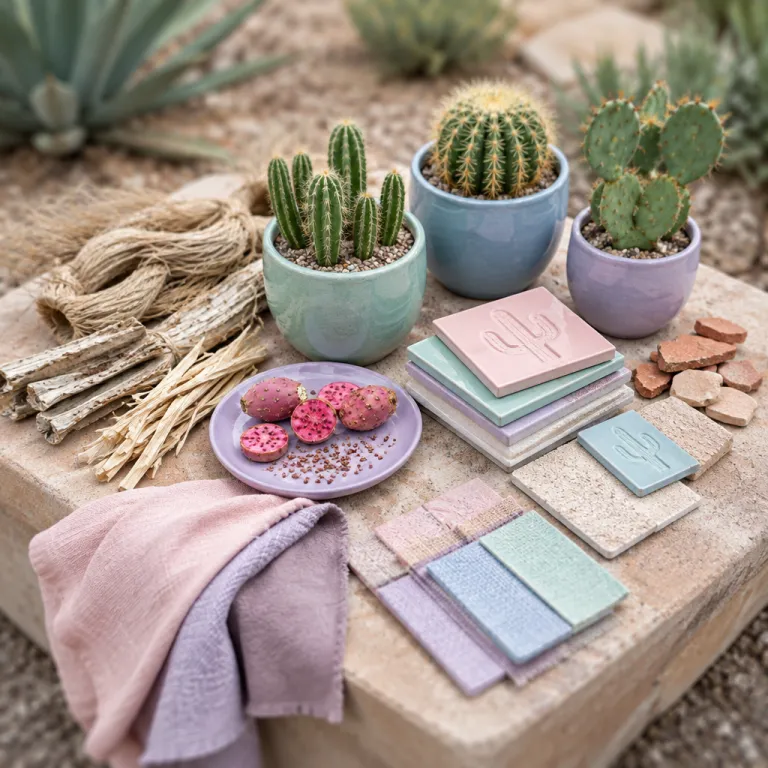
Why cactus species define the Scottsdale hotel experience
Arriving in Scottsdale, you immediately feel the pull of the Sonoran Desert landscape. The most refined hotels here frame views of towering cactus species and sculptural cacti, turning every terrace and pool deck into a living gallery of the American Southwest. For travellers choosing where to stay, recognising the main types of cactus plants in Arizona helps you read a property’s design language before you ever step into the lobby.
In this part of the United States, the desert is not a backdrop but a design partner, and thoughtful hoteliers use local cactus groupings to anchor courtyards, spa gardens, and rooftop lounges. You will often see a careful mix of prickly pear (Opuntia), barrel cactus (Ferocactus) clusters, and elegant cholla (Cylindropuntia) forms echoing the surrounding Sonoran Desert preserves. When a hotel invests in authentic cactus species native to Arizona rather than generic landscaping, it signals a commitment to place, ecology, and guest experience.
Many Scottsdale properties work with botanists who specialise in genera such as Echinocereus, Mammillaria, and other regional cacti to ensure that gardens feel both wild and curated. At Andaz Scottsdale Resort & Bungalows, for example, a well planned path might lead you past a single sculptural barrel specimen, then into a grove of hedgehog cactus (Echinocereus) and pincushion cactus (Mammillaria) plants that erupt with orange flowers in spring. As you compare hotels online, look closely at photos of outdoor spaces, because the presence of mature cacti often indicates long term stewardship of the land and collaboration with local desert horticulture experts.
From lobby to suite: desert inspired interior design cues
Inside Scottsdale’s best hotels, desert inspired interiors translate the forms of cactus and cacti into textiles, lighting, and art. Designers study the ribbed silhouettes of barrel cactus and columnar species such as saguaro (Carnegiea gigantea) or organ pipe cactus (Stenocereus thurberi), then echo those vertical lines in timber wall panels, ceramic lamps, or pleated drapery. The result is a calm, tactile environment where the geometry of the Sonoran Desert subtly shapes how you move through each space.
Look for lobbies where sculptural arrangements of cholla branches or dried prickly pear pads sit beside contemporary furniture, creating a dialogue between modern comfort and rugged desert textures. Some properties commission large scale artworks that reference the segmented arms of Cylindropuntia cholla or the rounded forms of beehive cactus and nipple cactus, using soft palettes that shift like sand at sunset. When these interiors also frame real outdoor cactus gardens through generous glazing, the boundary between inside and outside almost disappears.
Guest rooms often feature textiles patterned with stylised prickly pear pads, foxtail cactus silhouettes, or the starburst blooms of Echinocereus and Mammillaria species. A headboard might mirror the radial spines of a fishhook cactus, while bedside ceramics take cues from the compact curves of a pincushion cactus or hedgehog cactus. As one Scottsdale design lead notes in project descriptions, “naming the species keeps us honest,” and when you see these thoughtful references to specific types of cactus plants in Arizona, you can be confident the design team understands the region rather than relying on generic desert clichés.
Reading the landscape: what hotel gardens reveal about place
Hotel gardens in Scottsdale often function as open air field guides to emblematic cactus species of Arizona. A single path might lead you past a mature organ pipe cactus reminiscent of Organ Pipe Cactus National Monument, then toward groupings of prickly pear that mirror trails in nearby McDowell Sonoran Preserve. When properties label these cacti clearly, they turn casual strolls into quiet lessons in desert ecology and local conservation.
Many landscapes here reference the broader American Southwest by integrating species whose ranges extend into Texas and northern Mexico, while still prioritising plants that thrive in the Sonoran Desert climate. You may notice Echinocereus clumps tucked among rocks, beehive cactus mounds near pathways, and foxtail cactus or nipple cactus specimens used as sculptural accents beside pools. This mix of common and less common cactus species creates visual rhythm while supporting pollinators that rely on their flowers.
Some hotels partner with local conservation groups to source rescued cholla, barrel, and columnar cactus specimens from construction sites, giving mature cacti a second life in carefully planned courtyards. Others design micro habitats that mimic conditions in nearby national park environments, using native stone, subtle grading, and strategic shade to support sensitive species such as hedgehog cactus and fishhook cactus. When you see thriving clusters of cacti with healthy new growth and seasonal orange flowers, it usually signals responsible irrigation practices and long term investment rather than quick decorative planting; photo captions that mention rescue programmes or certified desert landscaping provide additional reassurance.
Seasonal cactus moments that shape your stay
The timing of your Scottsdale stay can dramatically change how you experience local cactus and cacti displays. In early spring and into April, many types of cactus plants in Arizona enter a spectacular flowering phase, with prickly pear pads crowned by vivid blooms. Hotels that understand this seasonal rhythm often plan outdoor events, spa rituals, or photography sessions around peak cactus flowers, and some even publish bloom calendars in their pre-arrival emails.
During these weeks, hedgehog cactus and Echinocereus species may erupt with magenta or orange flowers, while beehive cactus and pincushion cactus plants dot pathways with delicate crowns of colour. Barrel cactus specimens sometimes produce rings of blossoms that attract hummingbirds, turning even a short walk from your suite to the pool into a small wildlife encounter. Properties that highlight these cactus species in their guest communications help you choose the best time to visit if you are keen on photography or botanical detail; late March to mid April is often recommended by local guides as a reliable window.
Outside the main bloom period, the sculptural forms of cholla, Cylindropuntia species, and organ pipe cactus still define the skyline of many hotel grounds. Subtle uplighting after dark emphasises the spines of fishhook cactus and foxtail cactus, casting intricate shadows across stone paths and terrace walls. When you review hotel galleries, pay attention to both daytime and nighttime images of cacti, because they reveal how thoughtfully the property stages the desert experience across the full day and how much emphasis it places on outdoor ambience.
Rooftops, pools, and views: choosing the right desert vantage point
For many guests, the most memorable cactus encounters in Scottsdale happen from a sun lounger or rooftop bar. Elevated spaces often frame long views across the Sonoran Desert, where wild cacti echo the curated cactus species planted around pools and terraces. When a hotel aligns its rooftop design with the surrounding landscape, every glance outward reinforces your sense of being anchored in Arizona rather than in a generic resort corridor.
Some of the most compelling rooftops integrate low growing hedgehog cactus, pincushion cactus, and beehive cactus into planters, reserving taller organ pipe cactus forms for corners where they will not obstruct views. Around pools, designers frequently use clusters of barrel cactus, foxtail cactus, and prickly pear to soften hardscape edges while keeping circulation clear and safe. If you value a sophisticated evening setting, look for properties where subtle lighting picks out the silhouettes of cholla and Cylindropuntia against the desert sky.
In North Scottsdale, the reopening of Alma’s rooftop at Copper Club has renewed interest in elevated venues that celebrate the surrounding cacti and desert ridgelines, and you can read more about this at this detailed feature on a leading Scottsdale rooftop. From such vantage points, you may see how hotel gardens blend into nearby park and national park vistas, where wild prickly pear and Echinocereus species continue the visual story. When booking, prioritise properties that show both close up cactus details and wide landscape views, because that combination usually signals a more immersive and coherent design approach; captions that name specific cactus species or nearby preserves are especially useful.
How to evaluate cactus focused design when booking your hotel
When you compare Scottsdale hotels online, use their treatment of cactus and cacti as a quick proxy for overall design quality. Start by examining exterior photos for a thoughtful mix of local cactus species such as prickly pear, barrel cactus, and organ pipe cactus rather than generic palms or thirsty lawns. Properties that foreground the types of cactus plants in Arizona usually also invest in better orientation, natural light, and outdoor living spaces.
Next, look for interior images where desert references feel specific rather than vague, such as textiles inspired by Mammillaria patterns or lighting that echoes the vertical rhythm of columnar cacti. Art that clearly depicts hedgehog cactus, fishhook cactus, or Echinocereus blooms suggests a deeper engagement with the Sonoran Desert ecosystem. When these elements appear alongside views into real cactus gardens, you can expect a more seamless and authentic stay; as a practical step, save a few images and compare how consistently the cactus story appears across lobby, pool, and room photos.
Finally, read property descriptions for mentions of partnerships with local parks, national park organisations, or conservation groups in Arizona and neighbouring regions such as Texas and northern Mexico. Hotels that highlight rescued cholla, foxtail cactus, or beehive cactus plantings, or that offer guided walks focused on Echinocereus and other species, tend to provide richer guest programming. If sustainability and sense of place matter to you, prioritise these signals as carefully as you would room size or spa facilities, and consider calling or messaging the hotel to ask whether they offer seasonal cactus tours or talks with on site horticulturists.
Design inspiration to bring the Scottsdale desert home
A stay in Scottsdale often leaves guests wanting to translate desert calm into their own interiors. You can start by studying how your chosen hotel uses the silhouettes of cactus and cacti rather than literal motifs, then echo those lines in furniture, ceramics, or textiles. The goal is to capture the spirit of the Sonoran Desert and the American Southwest without turning your home into a themed set.
Consider colour palettes drawn from the flowers and spines of specific cactus species, such as the orange flowers of Echinocereus, the soft pinks of Mammillaria, or the deep greens of prickly pear pads. Subtle references to Opuntia and beehive cactus can appear in woven patterns, while the strong verticals of organ pipe cactus might inspire shelving or lighting choices. Even a single sculptural vase that recalls the curves of a barrel cactus or foxtail cactus can shift the mood of a room.
If you decide to keep living plants, research which types of cactus plants in Arizona adapt well to your local climate, because not all cacti thrive outside the Sonoran Desert or the broader United States Southwest. Smaller species such as pincushion cactus, nipple cactus, and hedgehog cactus often work well indoors near bright windows, while cholla or Cylindropuntia forms usually require more space and care. Let your Scottsdale hotel stay serve as a reference library, noting which arrangements feel timeless and which rely too heavily on novelty, and consult reputable regional plant guides or local nurseries before you buy.
Key figures on cactus species and the Sonoran desert
- The Sonoran Desert, which includes the Scottsdale area, covers roughly 260,000 square kilometres across the United States and Mexico, making it one of North America’s most biologically rich deserts according to estimates from the Arizona-Sonora Desert Museum and related regional surveys (figures typically range from about 250,000 to 310,000 square kilometres depending on the boundaries used).
- Botanists estimate that Arizona hosts well over one hundred native cactus species and recognised varieties, with a particularly high concentration of Echinocereus, Mammillaria, and Opuntia documented in floristic studies and state flora checklists; some taxonomic treatments place the total closer to a few hundred when subspecies and local forms are included.
- Studies from the National Park Service and desert research institutions indicate that some barrel cactus individuals can live for over 100 years, and in favourable conditions certain large specimens may approach two centuries, meaning mature plants in hotel gardens may predate the surrounding developments by several decades.
- Research on pollination ecology in the American Southwest shows that flowering events in hedgehog cactus and prickly pear can support dozens of native bee species in a single season, underscoring the ecological value of cactus rich hotel landscapes; field surveys in Sonoran and Chihuahuan Desert sites routinely record multiple specialist and generalist pollinators visiting these blooms.
- Climate data from the city of Scottsdale and the National Weather Service report an average annual rainfall of roughly 250–300 millimetres (about 10–12 inches), which is why water efficient cactus and cacti plantings are central to sustainable hotel design in the region and often highlighted in local green building guidelines.
FAQ about cactus focused design in Scottsdale hotels
Which types of cactus plants in Arizona will I most likely see at my hotel ?
In most Scottsdale hotels you will commonly see prickly pear, barrel cactus, and organ pipe inspired plantings, along with various Opuntia and Echinocereus species. Many properties also feature hedgehog cactus, pincushion cactus, and Cylindropuntia cholla to reflect the surrounding Sonoran Desert. Higher end resorts often label these cacti so guests can identify each species during their stay, and some provide pocket field guides at check in.
Does a cactus rich landscape mean the hotel is more sustainable ?
Cactus and cacti plantings generally require far less water than lawns or non native shrubs, which supports more sustainable operations in Scottsdale’s arid climate. When hotels prioritise local cactus species such as prickly pear, beehive cactus, and foxtail cactus, they also provide habitat for native birds and pollinators. You can usually confirm this commitment by checking whether the property mentions water wise landscaping, desert adapted plant palettes, or partnerships with conservation organisations in its description.
Are cactus gardens safe for families with children ?
Well designed hotel gardens use careful placement and pathways to keep guests at a comfortable distance from prickly pear pads, fishhook cactus spines, and tall cholla branches. Many properties group the most prickly cacti behind low walls or in raised beds, while using softer groundcovers near main circulation routes. If you are travelling with young children, look for photos that show clear paths and ask the hotel about any designated play areas away from dense cactus plantings or steep, rocky sections.
Can I visit nearby parks to see wild cactus species while staying in Scottsdale ?
Scottsdale offers easy access to protected areas such as McDowell Sonoran Preserve and several regional parks where you can see wild columnar cacti, barrel cactus, and extensive prickly pear stands. Day trips to larger national park sites in Arizona or neighbouring states such as Texas provide even broader views of American Southwest cactus diversity. Many hotels can arrange guided hikes that focus specifically on identifying local cacti and understanding their role in the desert ecosystem, so ask the concierge about sunrise or late afternoon tours when temperatures are more comfortable.
Is it possible to buy similar cactus plants to recreate the hotel look at home ?
Local nurseries in Arizona and the wider United States Southwest often sell smaller versions of the cactus species you see in Scottsdale hotels, including hedgehog cactus, pincushion cactus, and various Opuntia forms. Before purchasing, check which cacti are suitable for your climate and whether any species are protected or require permits in your region. Responsible retailers can advise you on legal, sustainable options so you can echo your hotel’s desert inspired design without harming wild populations, and you can bring reference photos from your stay to guide your selections.